What Is a Cracked Tooth?
A cracked tooth happens when a break or split forms in your tooth. Sometimes, the crack is small and hard to see. However, it can cause pain or other problems if left untreated. Many people do not notice a cracked tooth right away. But early care can help save your tooth and prevent more damage.
Common Symptoms of a Cracked Tooth
Often, symptoms of a cracked tooth are mild at first. Yet, they can get worse over time. Watch for these signs:
Sometimes, you may not see a crack. Still, if you notice these symptoms, it is important to see a dentist soon.
Causes and Risk Factors
Many things can cause a cracked tooth. For example, biting down on hard foods like ice or nuts can lead to cracks. In addition, accidents or injuries to the mouth may break a tooth. Over time, teeth can also weaken from old fillings or grinding at night. Here are some common causes and risk factors:
Because some people are more at risk, knowing these causes can help you protect your teeth.
Diagnosis Methods
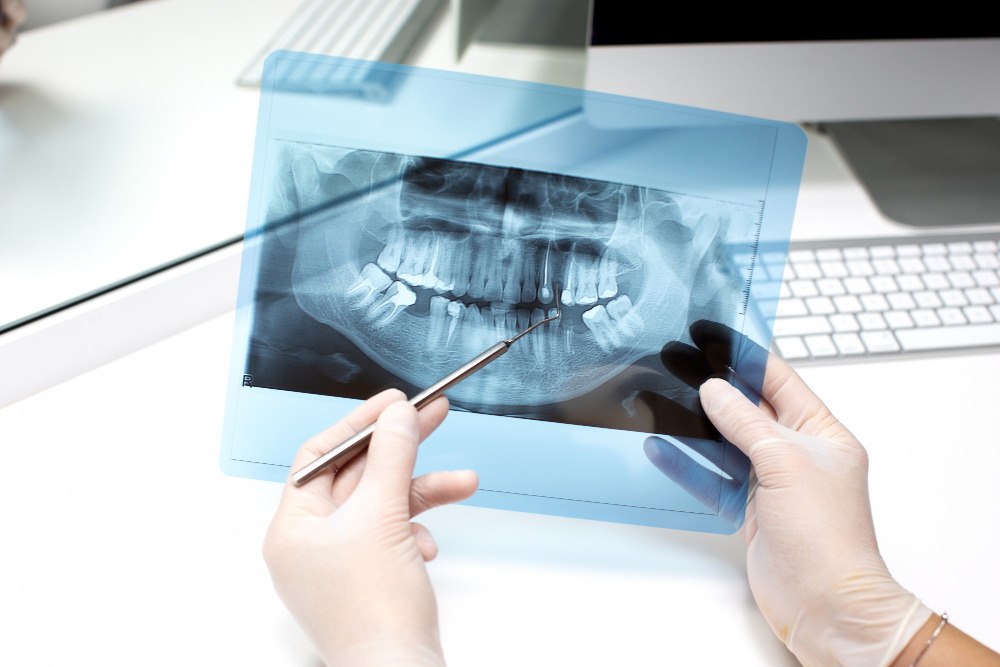
Sometimes, a cracked tooth is hard to spot. Even so, dentists use several methods to find cracks. First, your dentist will ask about your symptoms and check your mouth. Next, they may use a bright light or magnifying glass to look for cracks. In some cases, they might use dental dye to highlight the crack. X-rays can help, but small cracks may not show up. Dentists may also ask you to bite down on something to see if it causes pain. Early diagnosis is key to saving your tooth.
Treatment Options for a Cracked Tooth
Treatment for a cracked tooth depends on how deep or wide the crack is. Sometimes, a small crack needs only simple care. Other times, more treatment is needed. Common options include:
Because every case is different, your dentist will suggest the best treatment for you.
How to Prevent Cracked Teeth
Prevention is always better than cure. To help avoid a cracked tooth, try these tips:
By following these steps, you can lower your risk of cracked teeth.
When to See a Dentist
If you notice pain, swelling, or sensitivity in your teeth, do not wait. Even if the pain comes and goes, it is best to see a dentist soon. Early treatment can stop the crack from getting worse. In addition, regular dental visits help catch problems before they become serious. If you suspect a cracked tooth, consult a dentist at Smile Hub Dental Hospital for personalized advice.