Introduction
Malocclusion means your teeth do not line up as they should. This dental misalignment can affect your smile, speech, and even how you chew. Understanding the root causes of malocclusion is important for everyone. Many people wonder about dental misalignment causes, why teeth become crooked, and malocclusion risk factors. Early knowledge helps you take steps to prevent or treat these issues. According to the World Health Organization (WHO), dental problems like malocclusion are common worldwide. But with the right care, you can protect your dental health.
What is Malocclusion?
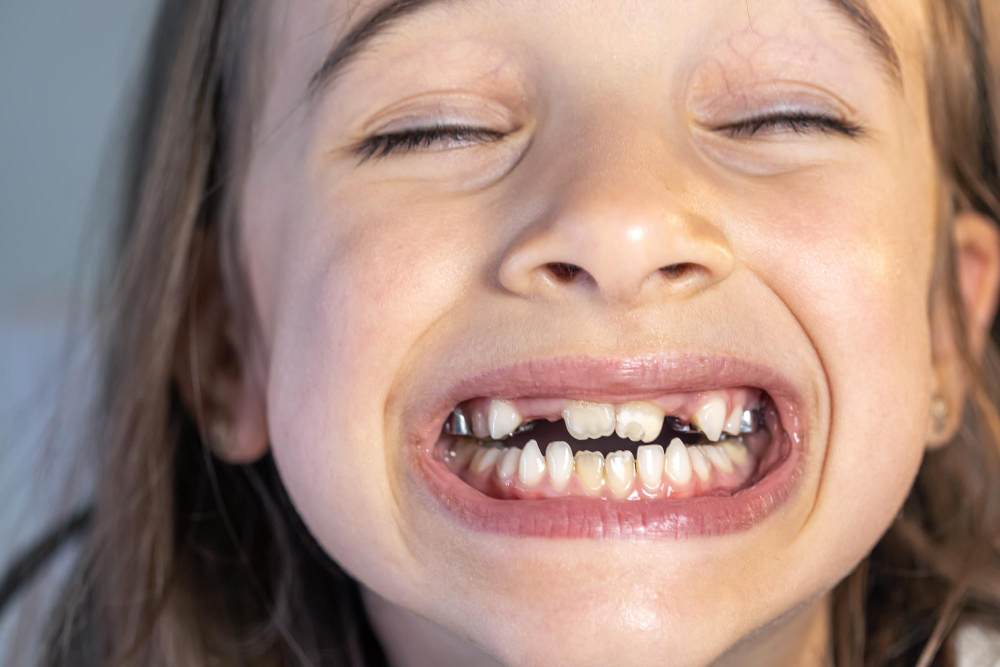
Malocclusion is a term dentists use when teeth are not in their proper place. For example, teeth may be crowded, spaced too far apart, or not meet correctly when you bite. Because of this, you may notice crooked teeth or problems with your bite. Malocclusion can be mild or severe. Sometimes, it causes pain or makes cleaning teeth harder. In many cases, early treatment can help prevent bigger problems later.
Common Root Causes of Malocclusion
There are several reasons why malocclusion happens. Some causes are present from birth, while others develop over time. Understanding these root causes of malocclusion can help you make better choices for your dental health. The main causes include:
Let’s look at each cause in more detail.
Genetic Factors
First, genetics play a big role in dental misalignment. If your parents had crooked teeth, you may also have them. Some people are born with jaws that are too small or too large. This can cause teeth to crowd or leave gaps. In addition, the size and shape of your teeth can be inherited. For example, large teeth in a small jaw may not fit well. Because of these genetic factors, malocclusion often runs in families.
Environmental and Lifestyle Factors
Next, your environment and lifestyle can affect your dental alignment. For instance, poor nutrition during childhood can slow jaw growth. Also, certain illnesses or infections may impact how teeth develop. Sometimes, breathing through the mouth instead of the nose can change jaw shape. In addition, habits like thumb sucking or using a pacifier for too long can lead to misaligned teeth. Therefore, healthy habits are important for good dental health.
Childhood Habits Affecting Dental Alignment
Many childhood habits can cause malocclusion. Some common habits include:
Because these habits put pressure on growing teeth and jaws, they can lead to crooked teeth. Early intervention can help stop these habits and prevent dental misalignment.
Impact of Early Tooth Loss or Dental Trauma
Sometimes, losing baby teeth too early can cause problems. When a tooth is lost before its time, nearby teeth may shift into the empty space. As a result, new teeth may not have enough room to grow straight. Dental trauma, such as a fall or injury, can also move teeth out of place. Therefore, it is important to protect your teeth and see a dentist after any injury.
Prevention and Early Intervention
Although some causes of malocclusion are genetic, many can be prevented. Here are some tips to help:
Because early action can prevent bigger problems, it is wise to address habits and dental issues as soon as possible.
When to See a Dentist
If you notice crooked teeth, trouble biting, or changes in your child’s teeth, see a dentist. Early visits help spot malocclusion risk factors and start treatment if needed. Dentists can suggest braces, retainers, or other options to fix dental misalignment. In many cases, early treatment leads to better results and a healthier smile.
Conclusion
Malocclusion has many root causes, from genetics to habits and injuries. However, early prevention and regular dental care can make a big difference. If you have concerns about dental misalignment, consult a dental specialist at Smile Hub Dental Hospital for personalized advice on malocclusion and treatment options.