Introduction
Bruxism is a common condition where people grind or clench their teeth. Often, this happens during sleep, but it can also occur while awake. Many people do not realize they have bruxism until symptoms appear. Because teeth grinding can harm dental health, it is important to understand the causes, symptoms, and treatment options. In this blog, you will learn how to spot bruxism and what you can do about it.
What is Bruxism?
Bruxism means grinding, clenching, or gnashing your teeth. Sometimes, it happens at night while you sleep. This is called nighttime bruxism or sleep bruxism. Other times, it occurs during the day, often when you feel stressed or focused. Either way, bruxism can wear down your teeth and cause jaw pain. Over time, it may lead to other dental problems if not treated.
Common Causes of Bruxism
There are several reasons why people develop bruxism. While the exact cause is not always clear, certain factors can increase your risk. For example, stress and anxiety often play a big role. In addition, some people grind their teeth because of:
Because these factors can vary, it is important to talk with your dentist if you notice symptoms.
Recognizing the Symptoms
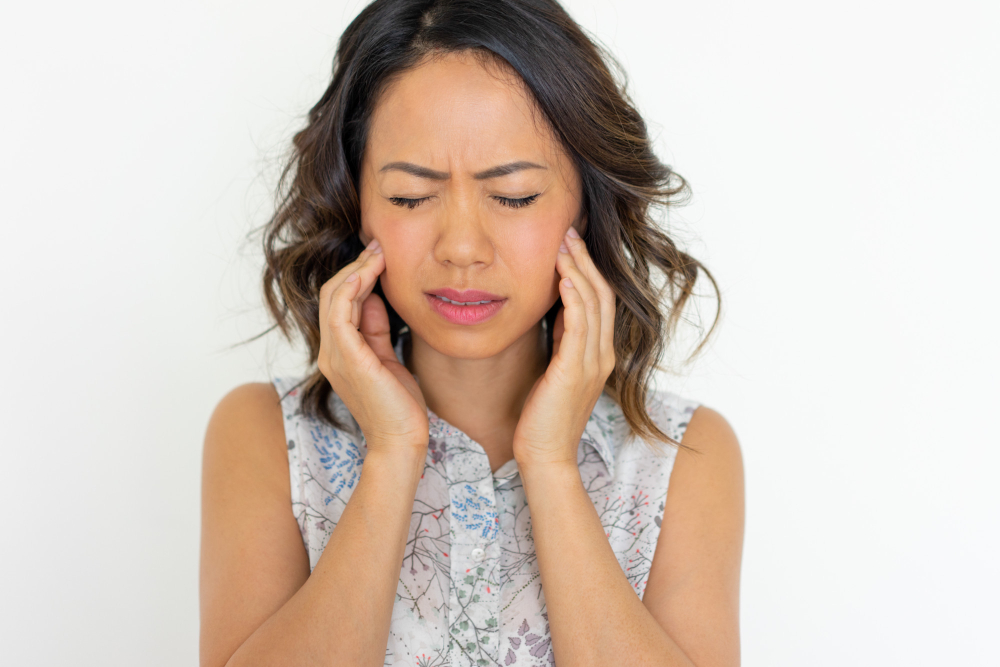
Bruxism can be tricky to spot, especially if it happens at night. However, there are some common signs to watch for. For instance, you might notice:
Sometimes, a partner may hear you grinding your teeth at night. If you have any of these symptoms, it is wise to seek dental advice.
How Bruxism is Diagnosed
Diagnosing bruxism usually starts with a dental exam. Your dentist will look for signs of teeth grinding, such as worn enamel or jaw tenderness. Sometimes, they may ask about your sleep habits or stress levels. In some cases, your dentist might suggest a sleep study to check for nighttime bruxism or related sleep disorders. Early diagnosis can help prevent further damage to your teeth and jaw.
Effective Treatment Options
There are several ways to manage bruxism and protect your dental health. Treatment depends on the cause and severity of your symptoms. Common options include:
Because each person is different, your dentist will help you choose the best treatment for your needs.
Tips for Prevention and Lifestyle Guidance
While you may not always prevent bruxism, certain habits can lower your risk. For example, you can:
With these simple steps, you can help protect your teeth and reduce the impact of bruxism.
Conclusion
Bruxism can affect anyone, but early action can prevent serious dental problems. If you notice signs of teeth grinding or jaw pain, do not wait. Consult Smile Hub Dental Hospital for personalized advice on managing bruxism.