Introduction to Malocclusion
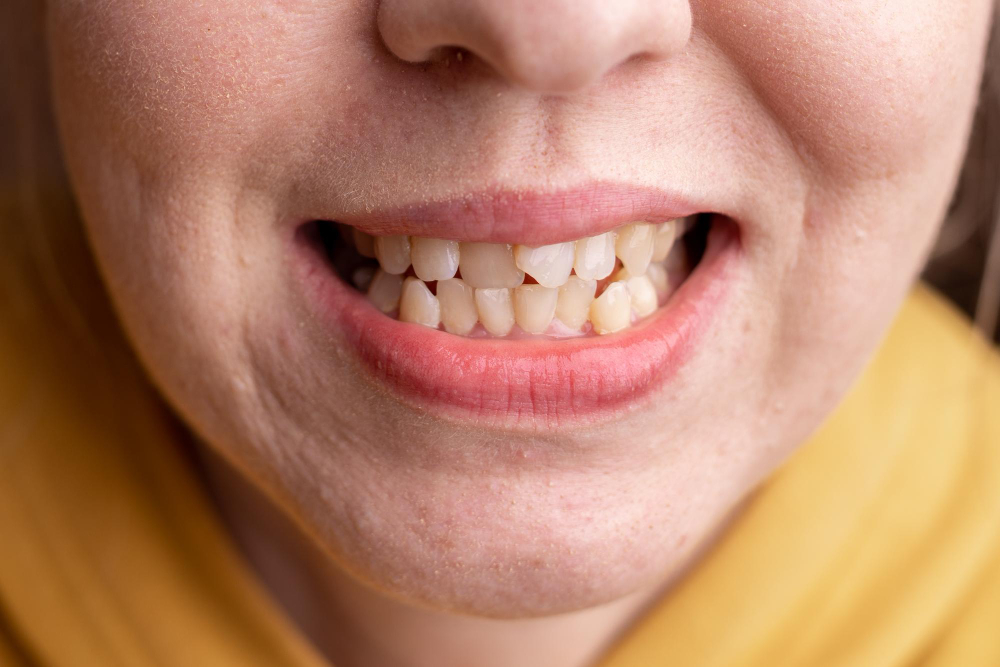
Malocclusion is a dental condition where your teeth do not fit together properly when you bite. This can make chewing, speaking, or cleaning your teeth harder. Many people have some form of malocclusion, but the severity can vary. Early detection helps prevent future dental problems. In this blog, you will learn about malocclusion, its causes, symptoms, diagnosis, and treatment options. You will also find tips on prevention and answers to common questions.
Common Causes of Malocclusion
Malocclusion can develop for several reasons. Sometimes, it is present from birth. Other times, it develops over time. Here are some common causes:
Because many causes are preventable, good habits can help lower your risk.
Signs and Symptoms of Malocclusion
Malocclusion symptoms can be mild or severe. Some people may not notice any problems. However, common signs include:
If you notice these symptoms, it is important to see a dentist. Early treatment can prevent further issues.
Diagnosis Methods
Dentists use several methods to diagnose malocclusion. First, they will ask about your dental history. Next, they will examine your teeth and jaw. Common diagnosis steps include:
After diagnosis, your dentist will discuss the best treatment options for you.
Treatment Options for Malocclusion
There are several ways to fix malocclusion. The right treatment depends on your age, the cause, and how severe the problem is. Here are common malocclusion treatment options:
Most treatments take several months to a few years. Regular dental visits are important for the best results.
Prevention Tips and Lifestyle Guidance
While not all malocclusion can be prevented, some habits can help lower your risk. Consider these tips:
Because early action can prevent bigger problems, talk to your dentist if you have concerns.
Frequently Asked Questions (FAQs)
What is malocclusion?
Malocclusion means your teeth do not line up properly when you bite. This can cause chewing, speaking, or cleaning problems.
Can malocclusion go away on its own?
Most cases do not improve without treatment. However, early dental care can prevent it from getting worse.
Is malocclusion treatment painful?
Some discomfort is normal, especially after getting braces or aligners. However, pain is usually mild and temporary.
How long does treatment take?
Treatment time varies. Most people wear braces or aligners for 1 to 3 years.
Can adults fix malocclusion?
Yes, adults can benefit from treatment. Options like clear aligners are popular for adults.
Conclusion
Malocclusion is a common dental issue that can affect your health and confidence. Because early detection and treatment lead to better results, do not ignore the signs. Consult Smile Hub Dental Hospital for personalized advice. Your dentist can help you choose the best way to fix malocclusion and keep your smile healthy.